Leica Leitz Minolta CL
A compact M-mount rangefinder co-designed by Leitz and Minolta, built by Minolta, and notable for its vertically traveling shutter and true spot metering.
Overview
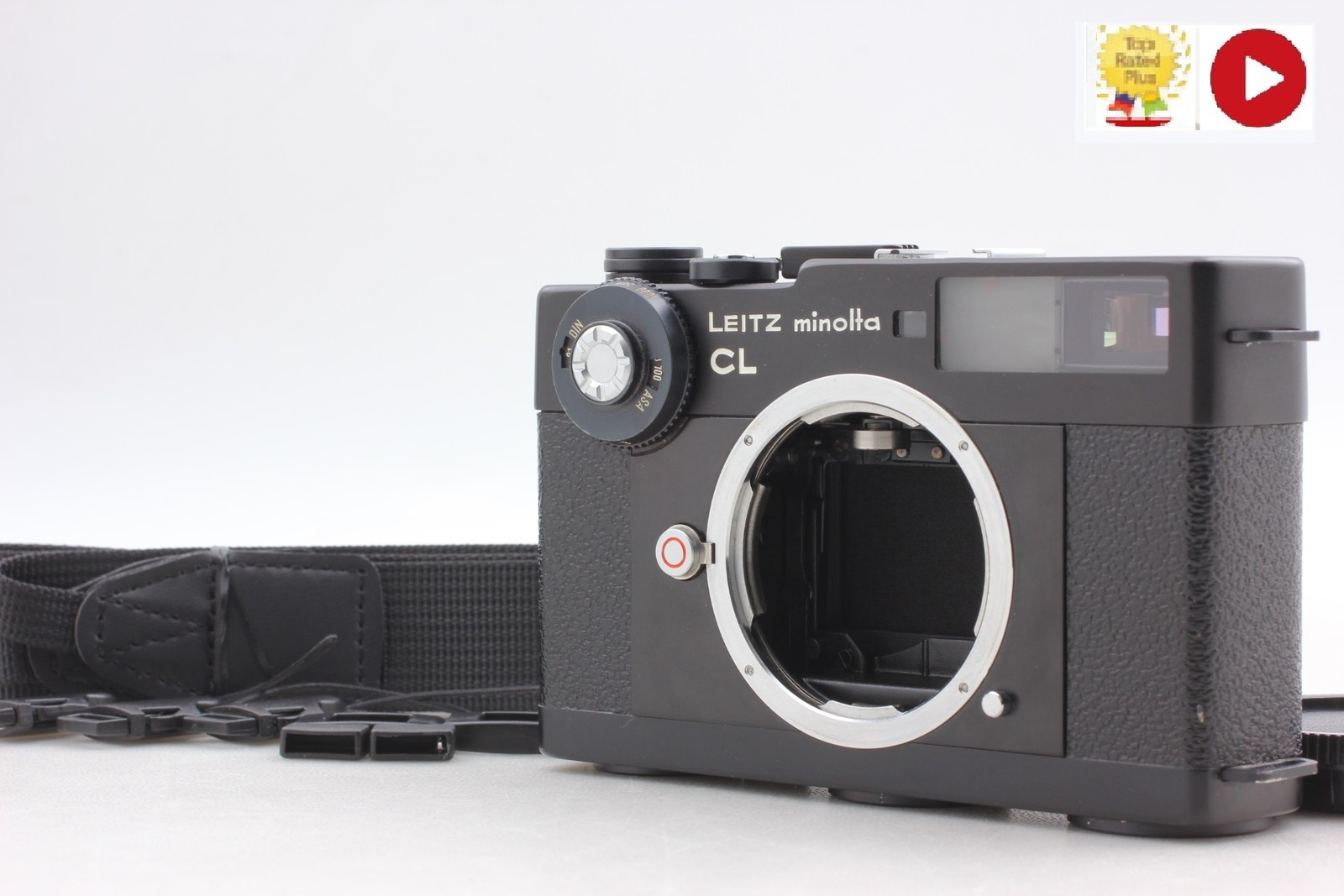
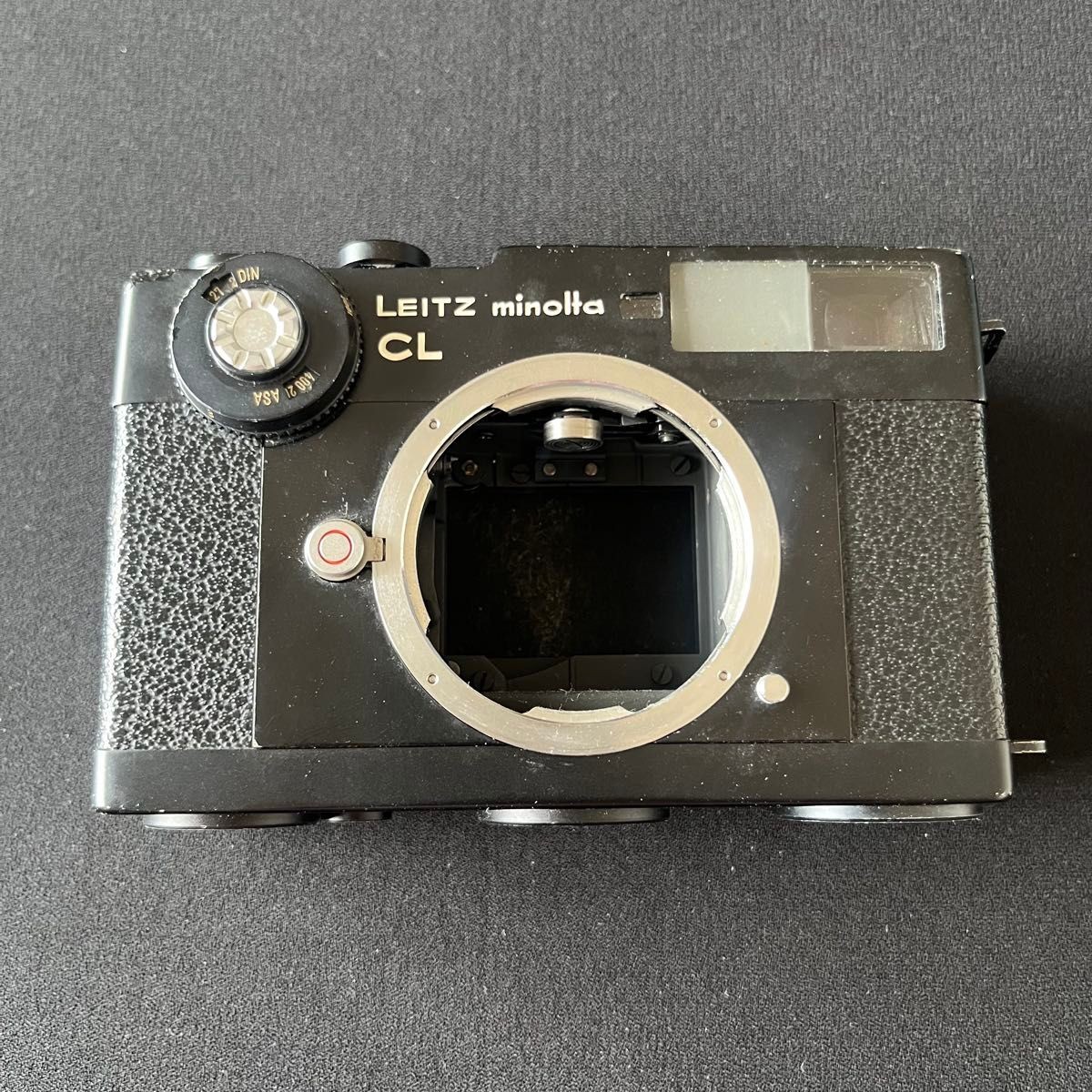
The Leica Leitz Minolta CL is the smallest and lightest interchangeable M-mount rangefinder ever produced. Designed jointly by Leitz and Minolta and manufactured by Minolta, it was introduced in 1973 as a compact, low-cost alternative to the full-sized Leica M series. The CL was built to provide a sophisticated yet portable shooting platform compatible with both M and screw-mount lenses. While Leica marketed the CL in most regions, the Leitz-Minolta version was sold in Japan during the same period, and after Leica CL production stopped, Minolta continued producing and exporting the Minolta CL to the US. A special 50th Leitz Anniversary edition was released (1925–1975), with only 3,500 units made, making it the rarest variant.
Specifications
| Type | Interchangeable M mount rangefinder |
| Film Format | 35mm |
| Years Produced | Introduced in 1973 and discontinued only three years later (Leica version) |
| Lens Mount | Leica M-mount |
| Shutter | Vertically moving shutter; speeds 1/2 to 1/1000 sec + B |
| Flash Sync | X sync at 1/60th sec via hot shoe (no PC connection) |
| Metering | TTL true spot metering using a 7.5mm CDS cell on a flag in front of the film plane |
| ASA Range | 25–1600 |
| Viewfinder | Projected parallax-corrected framelines for 40mm, 50mm, and 90mm lenses; 40mm frameline always visible |
| Shutter Speed Display | Visible in finder |
| Meter Display | Meter needle visible in finder |
| Power | One Mercury 625 battery; mechanical shutter functions without battery |
| Construction | Removable back for easy film loading; front-mounted compact shutter dial |
Design
The CL features a vertically moving shutter—the only Leica M-mount camera with this design. Its TTL spot metering system uses a CDS cell mounted on a flag that rises just before the first shutter curtain opens, measuring light directly in front of the film plane across 7% of the frame. The camera underwent six internal design revisions during its short production run. The removable back simplifies film loading, and the front-mounted shutter dial contributes to its compact profile. A special shutter release arm was available for use with the VISO tripod system.
Context
Co-developed to offer a small, affordable M-mount experience, the CL succeeded in creating a lightweight, capable rangefinder. However, it faced skepticism due to its Japanese manufacture and was often unfavorably compared to the larger, more prestigious Leica M series. Leitz initially claimed that CL-specific lenses like the 40/2 Summicron and 90/4 Elmar might not focus correctly on M cameras due to differences in focusing cam shape—though some suspect this was a marketing strategy to protect sales of higher-margin M lenses. Despite criticism over meter and shutter reliability, and concerns about dead CDS cells with no modern replacements, the CL earned praise as a "terrific camera" and a great carry-all-day tool with excellent lens performance.
Market
The CL is valued today as a compact, elegant alternative to the standard M series. Its lightweight design and high-quality optics make it a favorite for street and travel photography. The 50th Leitz Anniversary model is particularly collectible due to its limited run of 3,500 units. While some users report issues with slow-speed shutter accuracy and meter reliability, well-maintained examples remain functional and desirable. The camera’s legacy is defined by its ambition: delivering Leica-quality rangefinding in a radically smaller form.
eBay Listings


As an eBay Partner, we earn from qualifying purchases. This helps support our independent vintage technology research.