Leica D-Lux 6 (2012)
A digital compact camera with a fast f/1.4–2.3 lens and improved low-light performance over its predecessor.
Overview
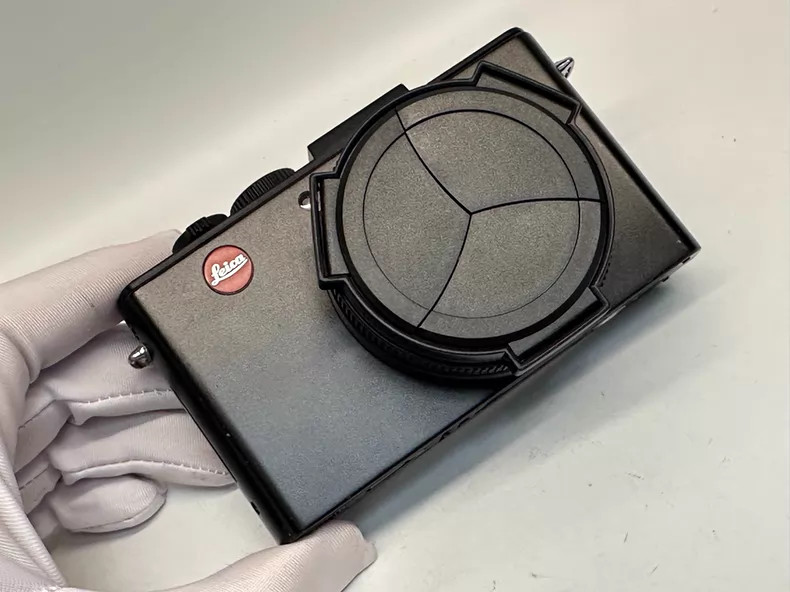
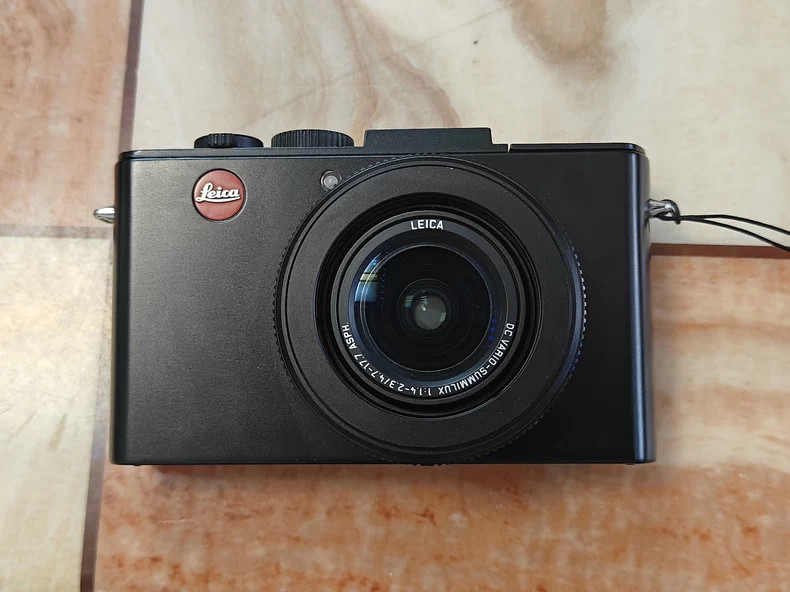
The Leica D-Lux 6 is a digital compact camera produced by Leica and released in 2012. It represents a solid improvement over the D-Lux 5, most notably through its newly designed f/1.4–2.3 lens and a shift from CCD to CMOS, Live MOS, or MOS image sensor sensor technology. Marketed as a timeless compact with iconic Leica quality, it delivers strong image quality in a small form factor, particularly praised for its performance in low light. The camera shares engineering roots with the Panasonic LX7, though it carries Leica’s distinct finish and branding, launching at a premium—priced at $699 or $799 in the US market. A special G-Star RAW edition was also released, rumored to cost $1,300 or $1,325. Despite its modest size, it was built for enthusiasts, offering manual controls and a high-speed lens ideal for street and travel photography.
Specifications
| Manufacturer | Leica |
| Product type | Digital compact camera |
| Production year | 2012 |
| Effective pixels | 10 or 10.1 megapixels |
| Sensor photo detectors | 13 megapixels |
| Sensor size | 1/1.7-inch (7.44 x 5.58 mm) |
| Sensor type | CMOS, Live MOS, or MOS image sensor |
| Processor | Venus Engine |
| Lens | , f/1.4–2.3, 3.8× optical zoom |
| 35mm equivalent focal length | 24–90mm |
| Exposure compensation | ±3 EV in 1/3 EV steps |
| Autofocus | Contrast Detect (sensor); Multi-area; Tracking; Single |
| Orientation sensor | Yes |
| ISO range | 80–6400 (native) |
| Optional viewfinder | Yes |
| Weight (inc. batteries) | 298 g |
| Dimensions (W x H x D) | 111 x 68 x 46 mm or 110.5 × 67.1 × 46.6 mm |
| Body color | Matte Black; Black/Silver (Edition 100) |
| Supplied accessories | USB cable, shoulder strap, CD with long instructions (PDF) |
Design
The D-Lux 6 features a newly designed lens with a bright f/1.4–2.3 aperture across a 24–90mm equivalent focal range, paired with a 1/1.7-inch CMOS sensor—a shift from CCD to CMOS technology. This change supports better high ISO performance and The camera uses a contrast-detect autofocus system and is powered by the Venus Engine processor, contributing to fast operation and high image quality in a compact body.
Context
The D-Lux 6 was positioned as a premium compact and a direct successor to the D-Lux 5, offering significant optical and sensor upgrades. It competed in the high-end point-and-shoot market alongside models like the Panasonic LX7, which shared its core hardware but sold at a lower price point. Leica’s version emphasized refined aesthetics, brand prestige, and a faster lens, appealing to photographers seeking both portability and manual control.
eBay Listings


As an eBay Partner, we earn from qualifying purchases. This helps support our independent vintage technology research.