Thorens TD-166 (1978–1984)
If the TD-160 is the Thorens every audiophile name-checks, the TD-166 is the one they actually lived with. Launched in 1978 as a more accessible companion to the 160, the TD-166 carried over the defining Thorens idea — a suspended subchassis on three springs — but shipped it with simpler ancillaries and a lower price tag. For most of the late 70s and early 80s, if you walked into a European hi-fi shop and asked for "a real turntable" under about £150, the TD-166 was what the salesperson reached for.
Collectors and used-market buyers have rediscovered it over the last decade as the "smart-money" vintage Thorens: most of the musicality of the higher-end models, far fewer maintenance headaches, and usually half the eBay asking price. It's also the Thorens people most often upgrade with aftermarket mats, belts, and tonearm cabling — a sign that the bones are good enough to be worth the attention.
Specifications
| Manufacturer | Thorens (Switzerland, later German production) |
| Production Years | 1978–1984 |
| Drive | Belt drive |
| Speeds | 33⅓ and 45 RPM |
| Motor | 16-pole synchronous AC, low voltage |
| Platter | Zinc alloy, approx. 2.7 kg |
| Subchassis | Steel, three-point suspended on coil springs |
| Wow & Flutter | ≤ 0.06% WRMS |
| Rumble | −65 dB DIN-B weighted |
| Tonearm (stock) | Thorens TP 16 Mk II / Mk III depending on year |
| Dimensions | 440 × 160 × 360 mm |
| Weight | ≈ 7 kg |
The 16x family in one sentence
Thorens' late-70s turntable line was a clear hierarchy: the TD-160 (the flagship of the range at that price level), the TD-165 (automatic-lift version), the TD-166 (a cost-reduced 160 with a simpler tonearm), and the TD-145 (semi-automatic with the TP-16). Thorens then revised the whole series through MkII and MkIV variants through the mid-80s. The TD-166 itself appeared as original, MkII, MkV, and a "Special" — the differences mostly amount to tonearm vintage and whether the anti-skate uses a thread-and-weight or a magnetic arrangement.
Why it sounds good
The suspended subchassis is the main event. Thorens' three-spring design isolates the platter and tonearm from external vibration — foot traffic, speaker bass, the cat jumping on the shelf — far better than the heavy-plinth designs that dominated Japanese turntables of the era. The trade-off is setup: a TD-166 that's been moved, or whose springs have stiffened with age, needs to be re-levelled and bounce-tested before it sings.
Where the 166 deliberately falls short of the 160 is in small things: the motor is the same family but with lighter isolation, the tonearm is a step down (TP 16 rather than the TP-series higher-end variants), and the plinth veneer options were narrower. In listening tests from the era — HiFi News and Gramophone both covered it — the TD-166 was described as having slightly less "grip" on dynamics than the 160, but a very similar tonal character.
Known quirks and what to check
- Springs sag with age. After 30+ years, the original coil springs can lose tension, letting the subchassis bottom out on the baseplate. Replacement springs are widely available from Thorens specialists for under $20.
- Belt stretch. The belt is a standard Thorens 160/166-series flat belt, still manufactured. If the platter hesitates at startup or the pitch drifts, it's almost always the belt.
- Lid hinges. The original plastic hinges become brittle. Aftermarket metal replacements exist, or many owners simply store the lid separately.
- Tonearm cable. The captive phono cable on early models is a common upgrade point — a fresh, shielded cable often produces the biggest audible improvement of any single modification.
- Motor pulley. The two-step pulley (for 33/45) can develop grooves over decades of belt contact. Replacements are harder to source; check for a smooth surface during inspection.
Market context
As of 2026, clean original TD-166 tables in working condition trade in the $300–$600 range in the US, with MkII and "Special" variants at the higher end. Mint examples with original dust cover and documentation occasionally cross $800. That places it well under a TD-160 ($600–$1,500 depending on revision and tonearm) and roughly level with period Japanese competition from Technics and Pioneer — but with considerably more rebuild potential.
Further reading
- Thorens — Wikipedia (corporate history and model lineage)
- Thorens TD-166 MkII service manual — Vinyl Engine (free registration required)
- Thorens TD-160 — the higher-spec sibling
- Thorens TD-145 — the semi-automatic cousin
- Thorens TD-124 — the earlier flagship that established the Thorens reputation
Market Value
┌──────────────────────────────────────────────────────────────────────────┐
│ THORENS TD-166                                                  May 2026 │
├──────────────────────────────────────────────────────────────────────────┤
│ High      $192                                    Latest             $37 │
│ Median    $85                                     Trend           ▼ Down │
│ Low       $37                                     Volume           ~1/mo │
├──────────────────────────────────────────────────────────────────────────┤
│   $200 ┤                                                                 │
│        │.                                                                │
│        │                                                                 │
│   $114 ┤                                                                 │
│        │                                                                 │
│        │                                              .                  │
│        │                                                            .   .│
│     $0 ┤                                                                 │
│        ├─────────────────────────────────────────────────────────────────│
│    vol │█                                             █             █   █│
│        └─────────────────────────────────────────────────────────────────│
│         2026-02                      2026-04                      2026-05│
└──────────────────────────────────────────────────────────────────────────┘
eBay completed sales. Excludes accessories, parts, and non-working units. Hover points for details.
eBay Listings
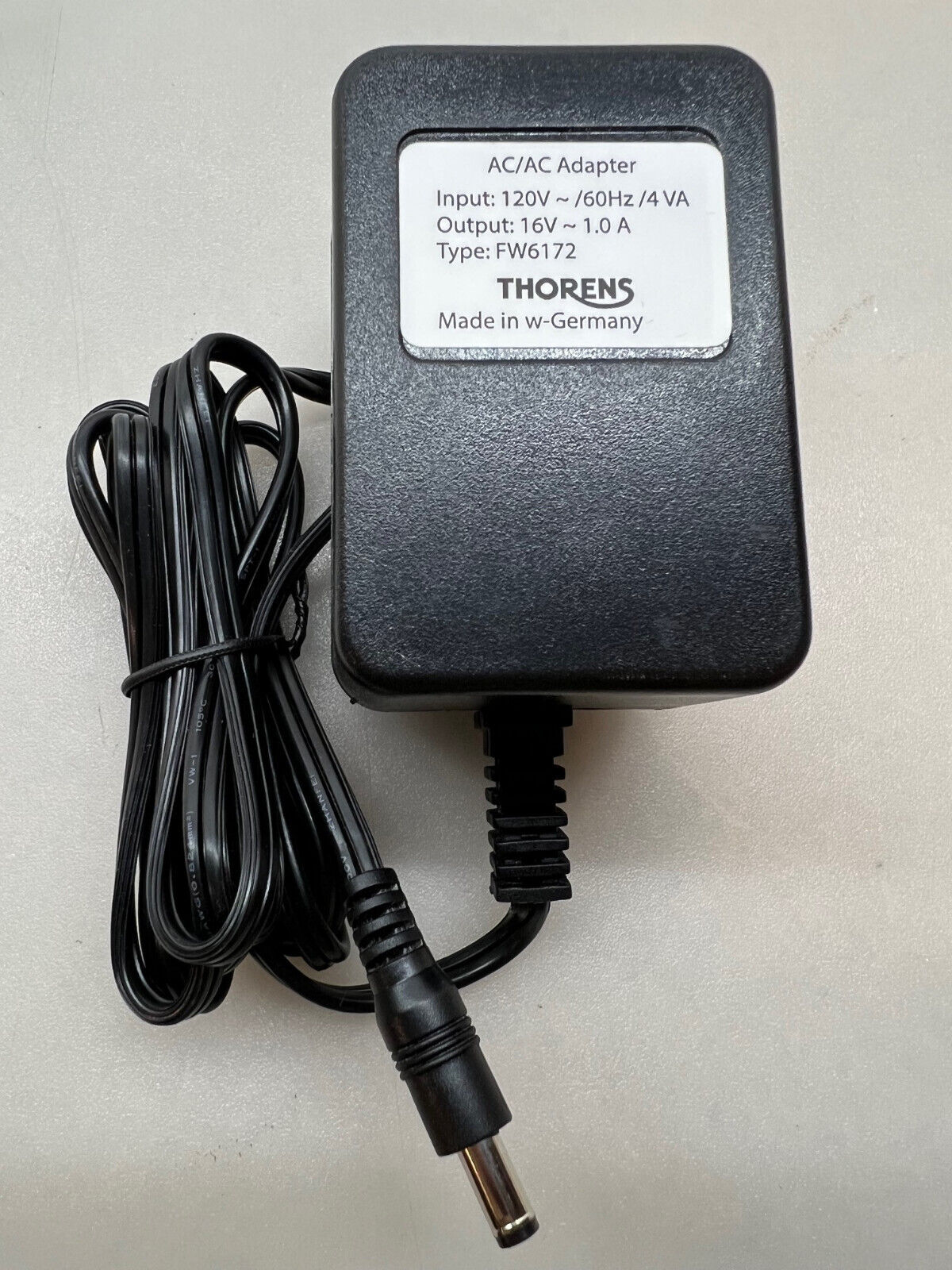


As an eBay Partner, we earn from qualifying purchases. This helps support our independent vintage technology research.
eBay Listings
As an eBay Partner, we earn from qualifying purchases. This helps support our independent vintage technology research.
Related Models
- Thorens TD-124 (1957)
- Thorens TD-150 (1965)
- Thorens TD-225 (1975)
- Garrard SP (1975)
- Harman Kardon kardon-turntables (1975)
- Akai AP-D2 (1979-1982)
- Ariston Icon
- Ariston Q-Deck
- Ariston RD-11S
- Ariston RD40